Stratasys
Stratasys 3D Printers
Precision 3D printing for every industry.
Built for professionals who demand accuracy, consistency, and performance. Stratasys is trusted by leading manufacturers in aerospace, automotive, healthcare, and consumer products. As an authorized Stratasys partner, CADimensions gives you direct access to the full range of Stratasys printers, materials, and our award-winning support you already rely on. Whether you need to accelerate prototyping, create production-grade parts, or scale additive manufacturing, Stratasys delivers the right solution for your workflow.
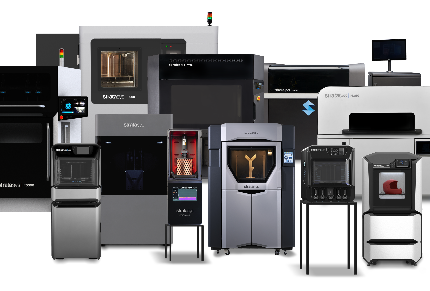
Stratasys FDM 3D Printers
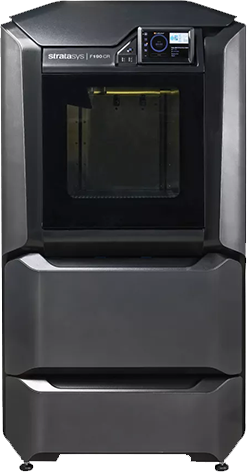
Stratasys F123 CR Series
The F123 CR can handle a wide range of composite materials, including carbon fiber-reinforced filament. With enhanced build sizes and material versatility, the F123 CR Series sets a new standard in FDM technology.

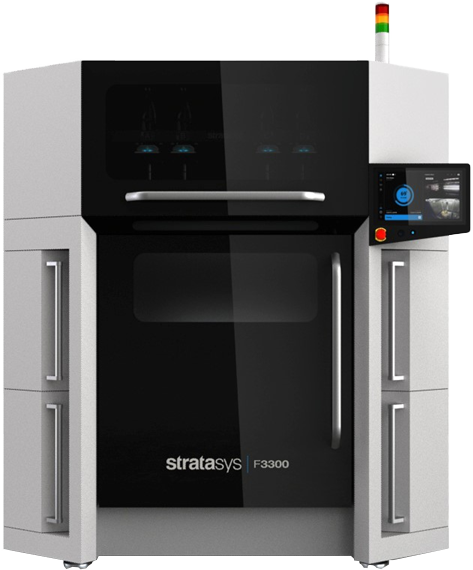
Stratasys F3300 Series
The F3300 allows extensive single-part prints or the simultaneous creation of multiple parts. With its ability to handle complex geometries and a range of materials, the F3300 excels in various industrial applications.
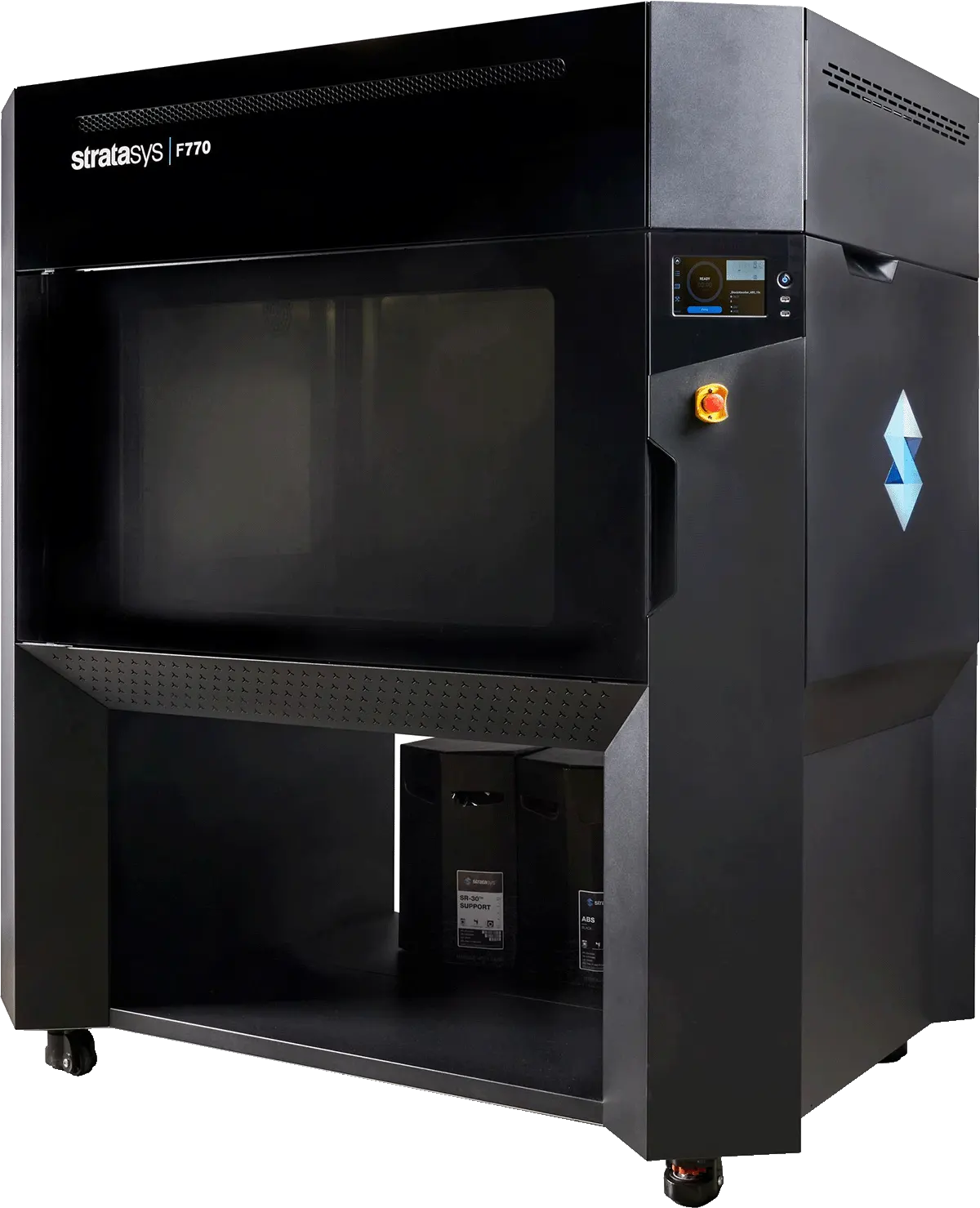
Stratasys F770
The F770 is designed with size in mind. For full output, print one or more large parts or use the printer’s large capacity to make several parts. Features a spacious 13 cubic-foot build envelope.
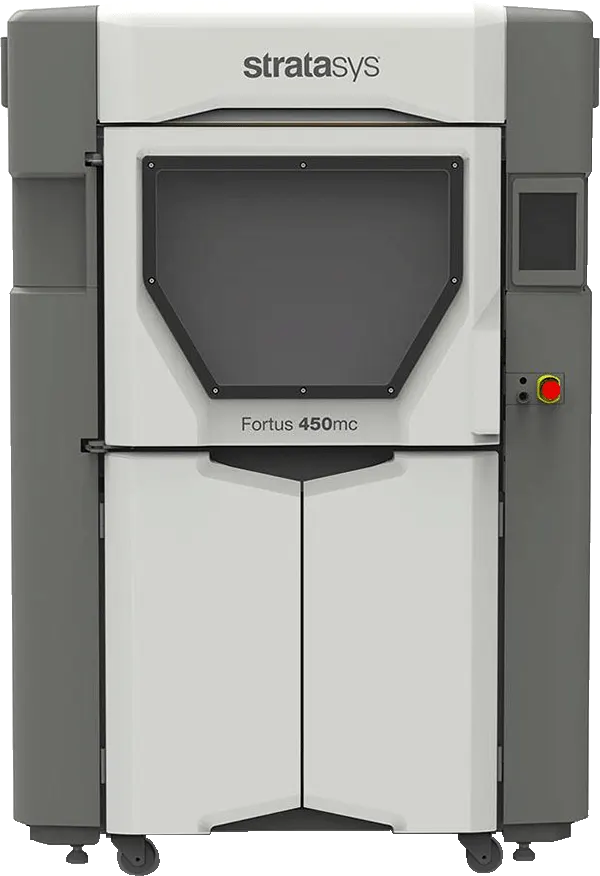
Stratasys Fortus 450 MC
The Stratasys 450mc let you build parts in the materials you’re familiar with, but with the advanced complexity and high requirements needed for today’s manufacturers.
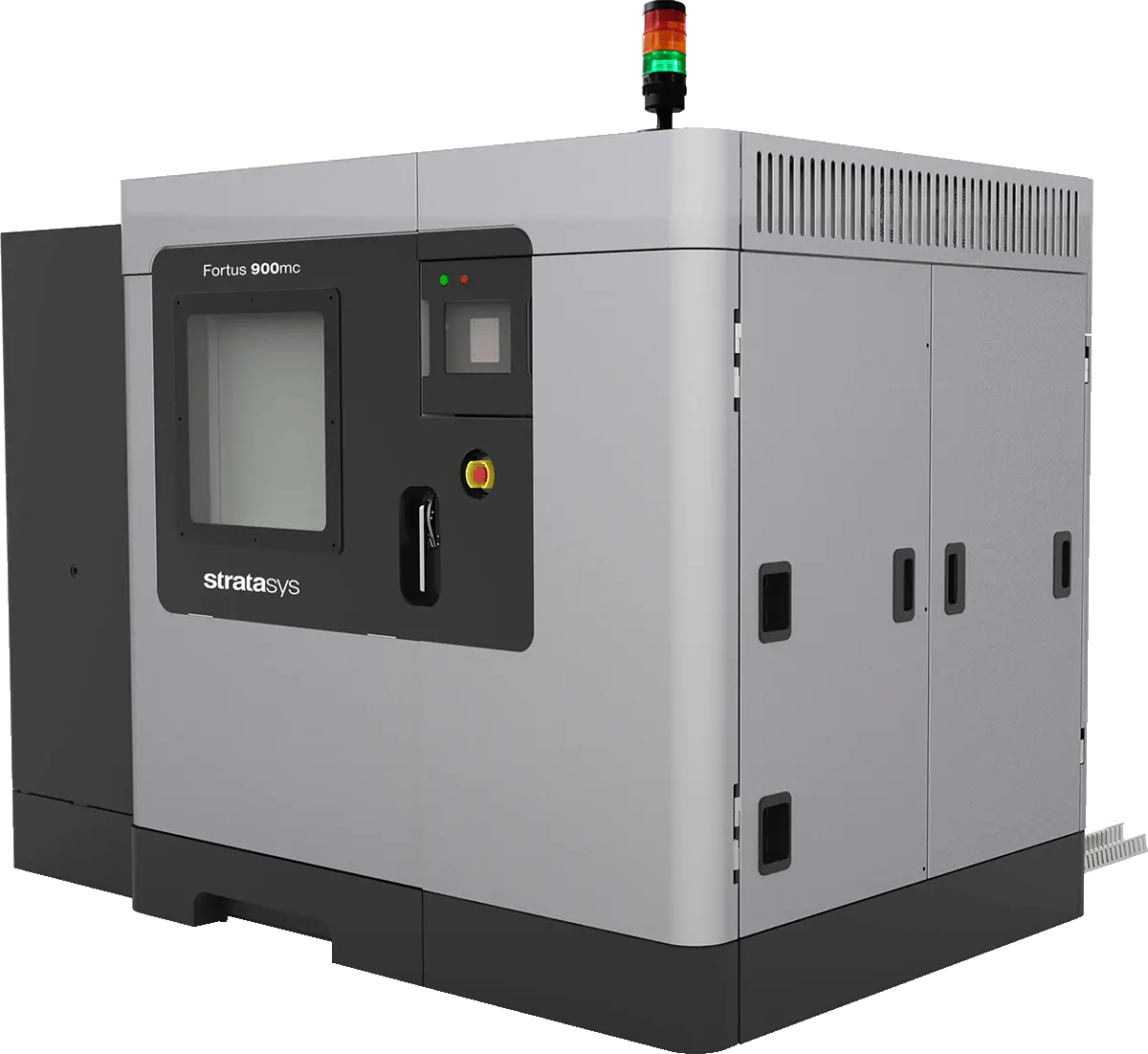
Stratasys Fortus 900 MC
The Fortus 900mc is built specifically for manufacturing and heavy industries, where you plan and work big. Features the largest build size of any Fortus system.

Stratasys PolyJet 3D Printers
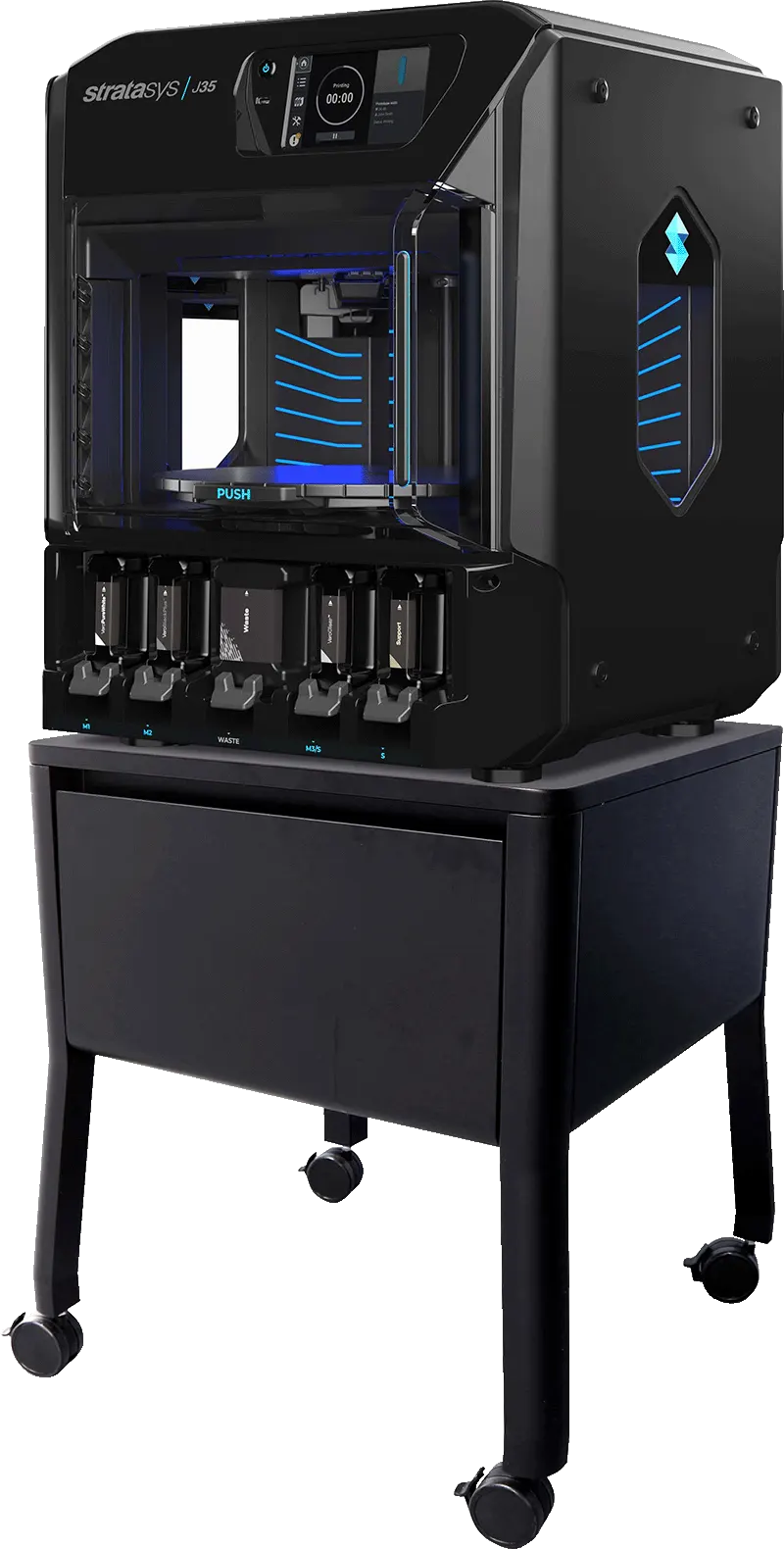
Stratasys J35 Pro
The J35 Pro is an affordable PolyJet 3D printer suitable for the shared office offering multi-material capabilities for functional design and concept modeling.
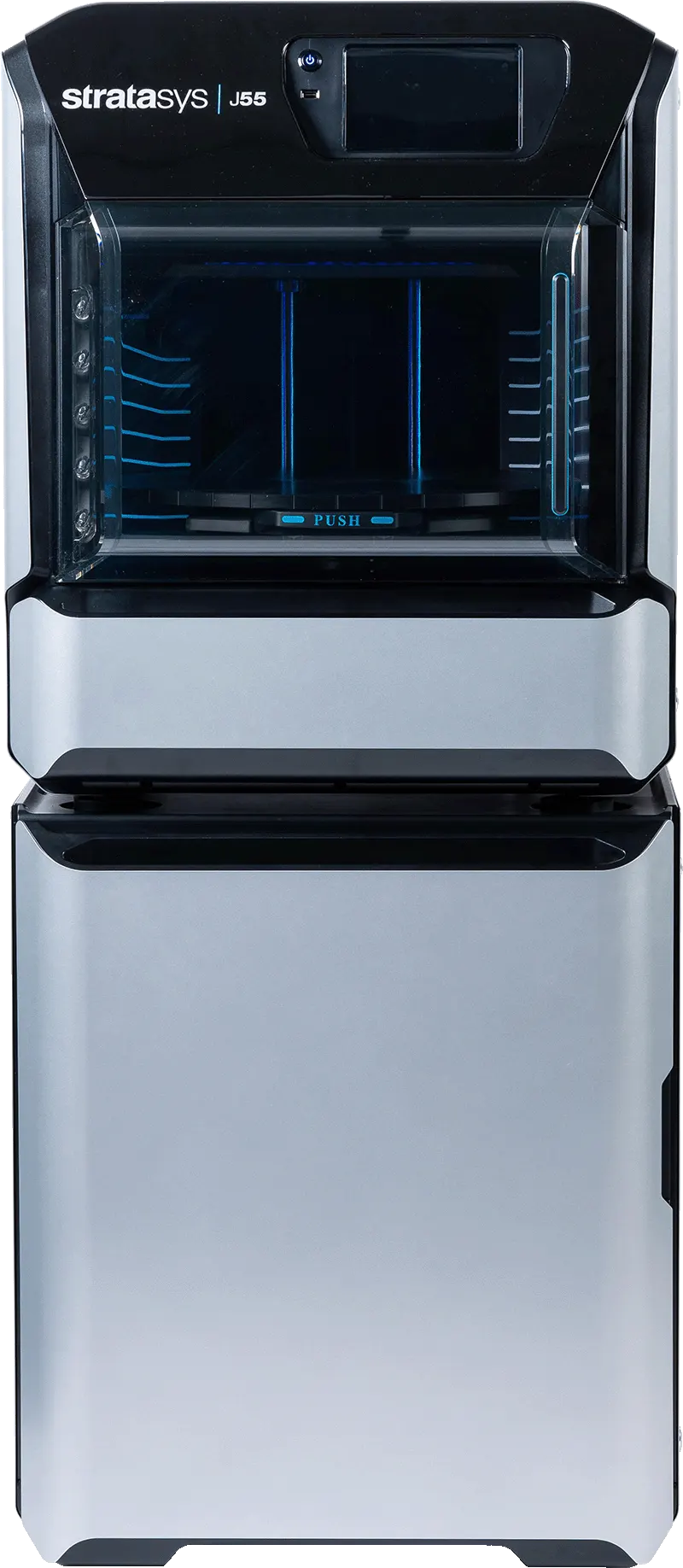
Stratasys J55 Prime
The J55 Prime 3D printer introduces full color, high fidelity with tactile, functional and sensory capabilities - making PolyJet Technology more affordable and office friendly than ever before.
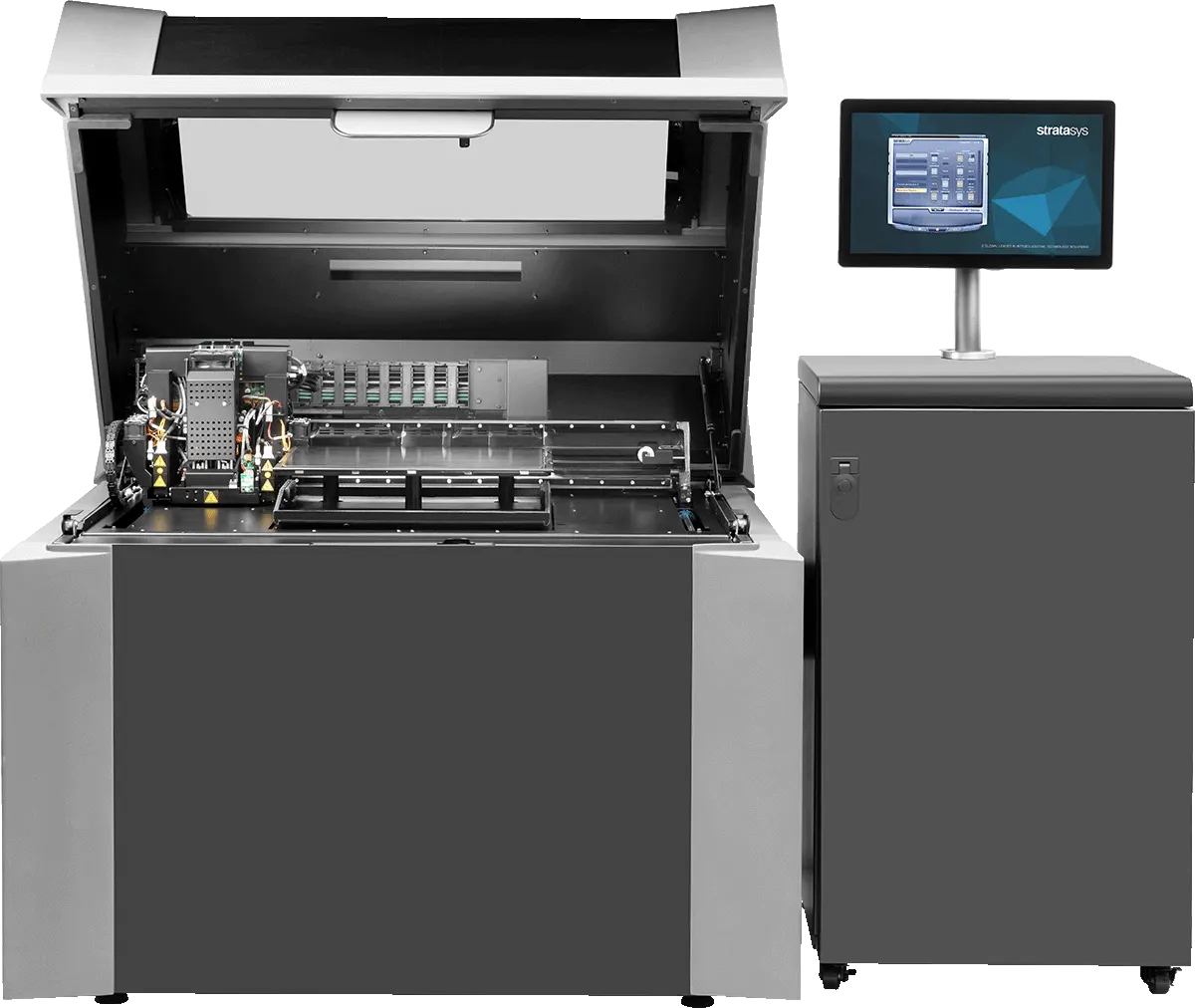
Stratasys J8 Series
From ideation to creation, the J8 series helps you deliver better results in less time. Get products to market faster, saving money and ensuring customer satisfaction.
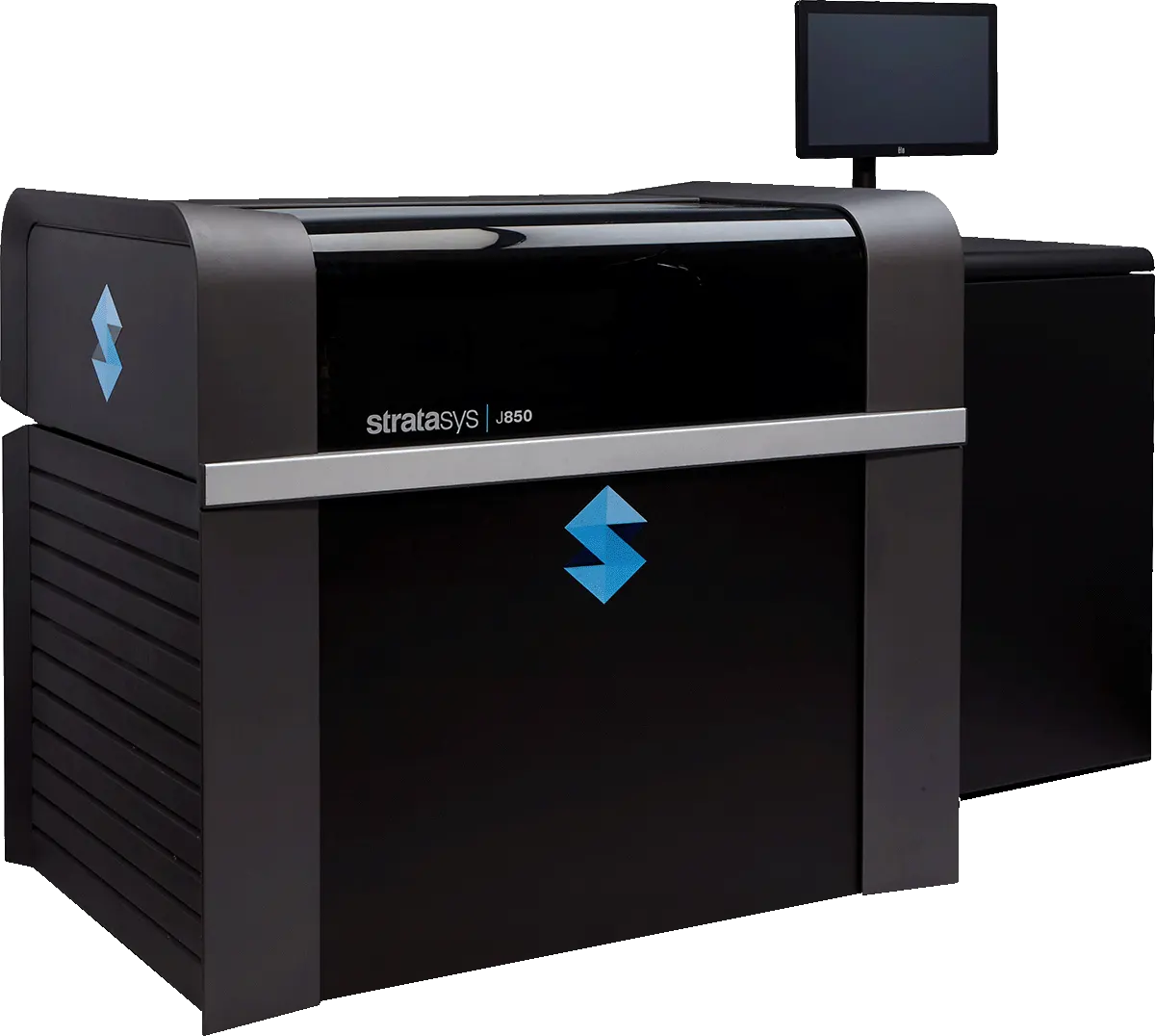
Stratasys J850 Digital Anatomy
The Stratasys J850 Digital Anatomy printer for medical devices, print materials and software combine to create 3D medical models of human anatomy that mimic bone and tissue with realism you can see and feel.
Stratasys J850 Techstyle
The bridge between innovation and creation can be found in the Stratasys J850 Techstyle. The results of this incredibly versatile 3D printer inspires innovations between technology and the creative industry.
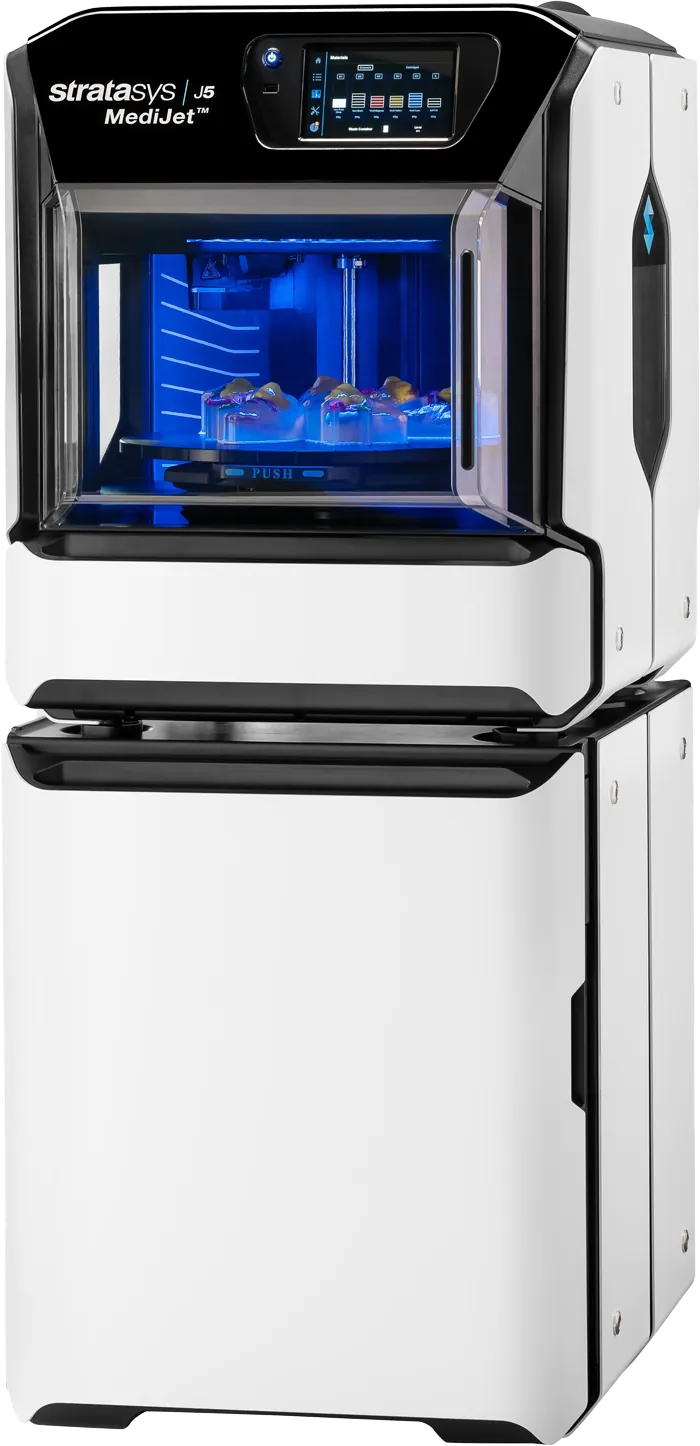
Stratasys J5 MediJet
Experience the pinnacle of PolyJet technology with the Stratasys J5 MediJet 3D printer. Designed to cater to a wide range of professional needs, the J5 MediJet offers unparalleled versatility with over 40 different material options, including biocompatible materials.

Stratasys J5 MediJet
The J5 Digital Anatomy 3D Printer enables the creation of biomechanically accurate, highly realistic anatomical models.

Stratasys Resin-Based DLP & SLA 3D Printers

Stratasys Origin Two
Capable of producing parts with tight tolerances and smooth finishes. It matches the precision of injection molding, which most resin 3D printers can’t achieve. Ideal for small production runs and on-demand manufacturing, supporting a wide range of high-performance materials.
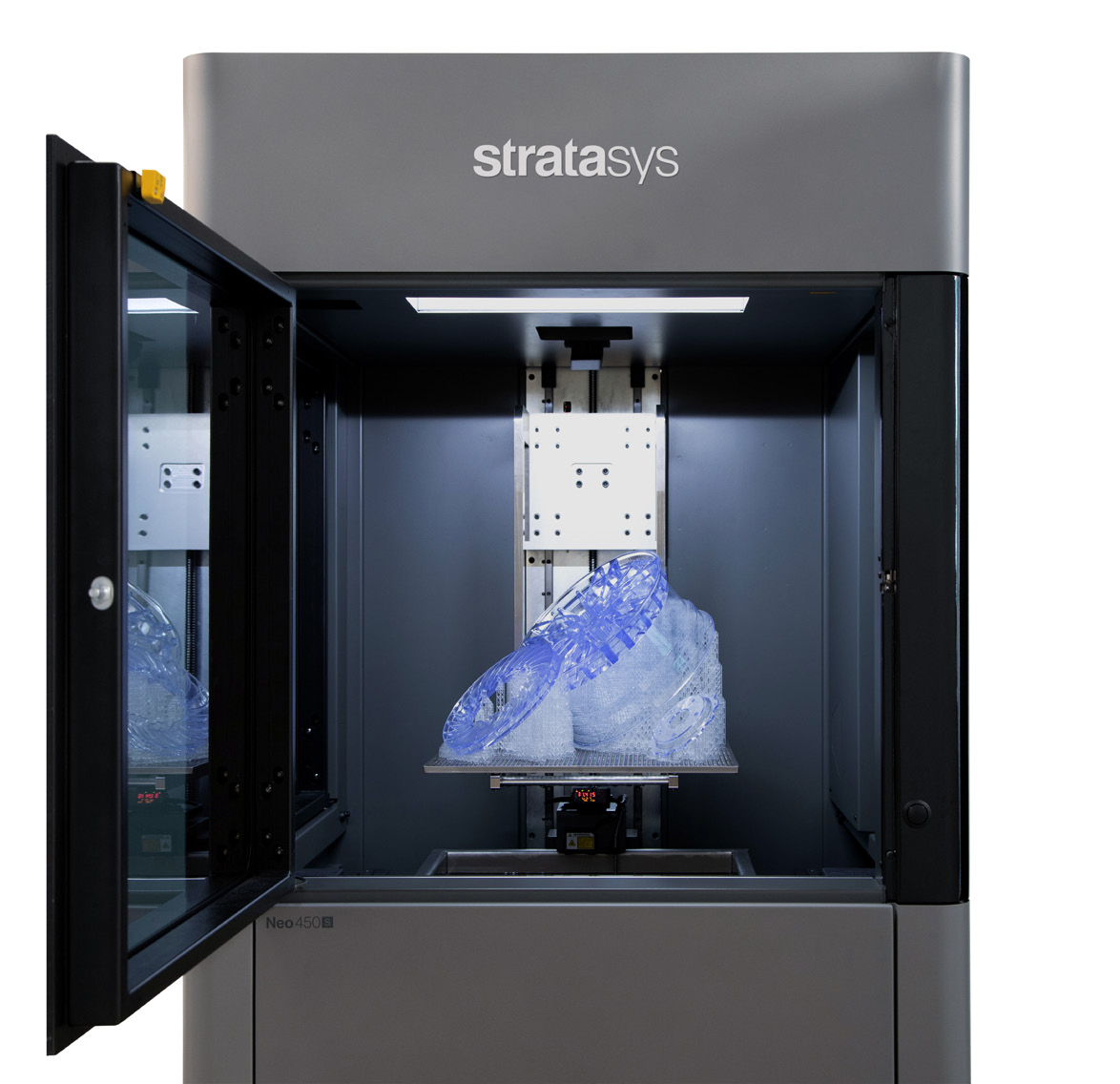
Stratasys Neo 800+
The reliable and proven Neo series of 3D printers build high-quality parts with superior surface quality, accuracy and detail. Perfect for designers, engineers and part providers, the Neo is a dependable system for customers requiring high volume and large part printing.

Stratasys Saf 3D Printers
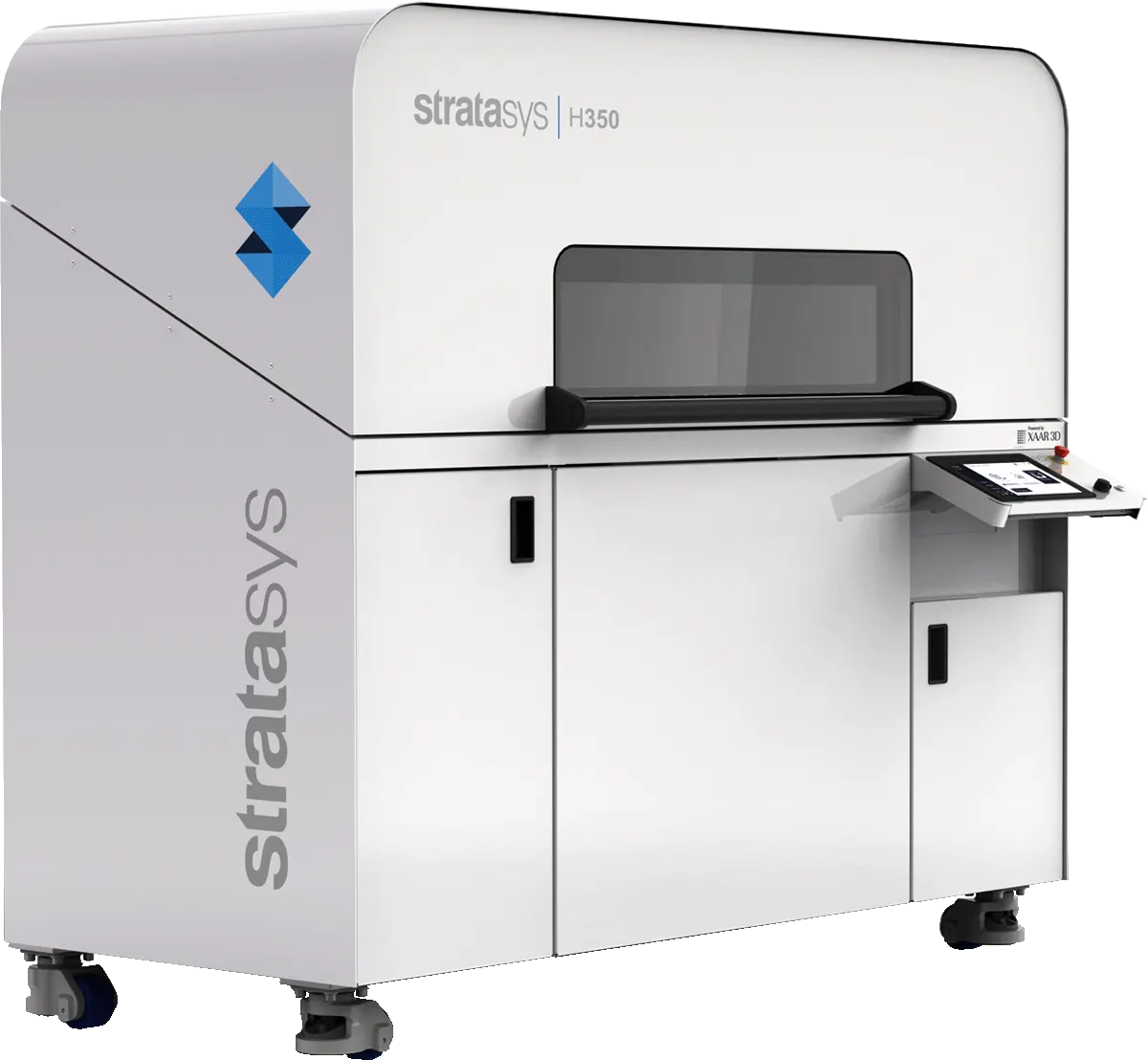
Stratasys H350
The SAF™ powered H350 powder bed fusion 3D printer controls production and costs. Grow your business through high-volume 3D printing and consistent end-use functional parts.

Frequently asked questions
What is Stratasys best used for?
Stratasys 3D printers are best used for professional prototyping, manufacturing tools, production-grade parts, medical models, and high-quality visual models.
CADimensions helps teams use Stratasys systems for real engineering and production work. That includes choosing the right printer, matching materials to the application, and building a workflow that can support repeatable results.
How does CADimensions help companies choose a Stratasys 3D printer?
CADimensions helps companies choose a Stratasys 3D printer by looking at the part, the material, the accuracy requirement, the build size, and the production goal.
You can start with a sample part or a problem you need to solve. CADimensions can then help compare FDM, PolyJet, resin-based, and SAF options so your team is not guessing at the right machine.
How do I choose the right Stratasys 3D printer?
Start with what the part needs to do. The right Stratasys printer depends on strength, surface finish, color, detail, part size, throughput, and budget.
CADimensions can help narrow that choice. Use FDM for strong thermoplastic parts and manufacturing tools. Use PolyJet for realistic, detailed, multi-material, or medical models. Use resin-based systems for smooth, accurate parts. Use SAF for higher-volume end-use part production.
What is the difference between Stratasys FDM and PolyJet?
Stratasys FDM prints strong thermoplastic parts. PolyJet prints highly detailed parts with smooth surfaces, color, and multi-material capabilities.
CADimensions typically helps teams compare FDM and PolyJet based on the job. FDM is a strong fit for fixtures, tooling, prototypes, and durable production aids. PolyJet is better when appearance, texture, realism, or design validation matters.
Which Stratasys printers are best for manufacturing tools and fixtures?
Stratasys FDM printers are often the best fit for manufacturing tools, jigs, fixtures, and durable shop-floor parts.
CADimensions can help manufacturing teams evaluate systems like the F123 CR Series, F770, and Fortus printers based on material needs, part size, and expected use. This matters when the part needs to hold up on the floor, not just look good in a design review.
Which Stratasys printer is best for large parts?
The Stratasys F770 and Fortus 900mc are strong options for large parts.
CADimensions can help determine whether your team needs a large-format system for oversized prototypes, production aids, or multiple smaller parts in one build. The right choice depends on build envelope, material requirements, throughput, and how the parts will be used.
Which Stratasys printers support full-color or realistic models?
Stratasys PolyJet printers are the best fit for full-color, high-detail, and realistic models.
CADimensions can help design teams, product teams, and medical teams choose PolyJet systems when visual accuracy matters. These printers are useful when stakeholders need to see, touch, and evaluate a model before committing to production.
Can Stratasys printers be used for medical models?
Yes. Stratasys offers systems that can support medical and anatomical modeling applications.
CADimensions can help medical teams evaluate Stratasys options for realistic anatomical models, surgical planning models, training tools, and device development. The right system depends on detail, material behavior, color, transparency, and biocompatibility needs.
Which Stratasys printer is best for smooth, detailed resin parts?
Stratasys resin-based printers are a strong fit when your team needs smooth finishes, tight tolerances, and detailed parts.
CADimensions can help teams compare resin-based Stratasys systems against FDM, PolyJet, and SAF options. That way, you can choose based on the final part requirement instead of only the printer category.
What is SAF 3D printing used for?
SAF 3D printing is used for higher-volume production of consistent, functional end-use parts.
CADimensions can help teams evaluate SAF when they need repeatable powder bed fusion parts at scale. It is a good fit when the goal is controlled production, not just one-off prototyping.
Can CADimensions help compare Stratasys printer options?
Yes. CADimensions can help compare Stratasys printer options based on your workflow, part requirements, materials, and production goals.
You can bring CADimensions a sample part, print volume estimate, material requirement, or current production challenge. From there, CADimensions can help narrow the options and recommend a Stratasys system that fits the work.
Does CADimensions provide Stratasys materials and support?
Yes. CADimensions provides Stratasys printer guidance, materials support, implementation help, and ongoing technical support.
That support matters because the printer is only one part of the system. CADimensions can help with material selection, training, troubleshooting, and workflow planning so your team can get consistent results.
Why buy a Stratasys 3D printer from CADimensions?
Buying a Stratasys 3D printer from CADimensions gives your team access to local expertise, application support, materials guidance, and implementation help.
CADimensions works with teams before and after the purchase. You can use that support to choose the right system, avoid mismatched technology, and get more value from the printer once it is installed.